Meiotic drive in house mice
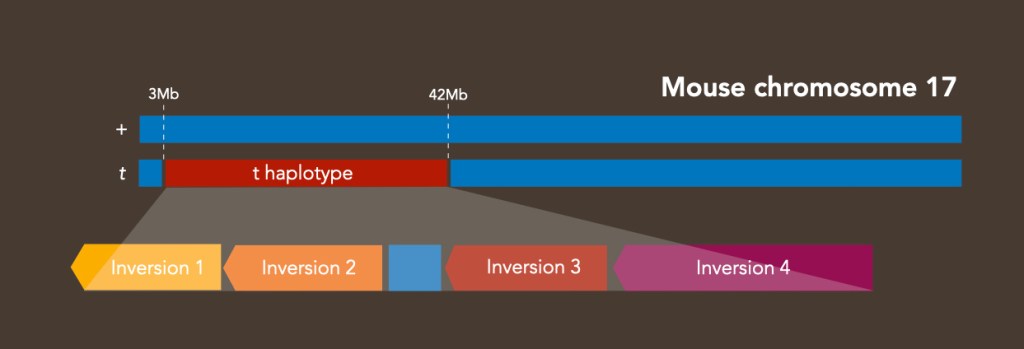
During routine genetic analyses, we detected a fascinating genetic entity called t haplotype in our study population of free-living house mice. The t haplotype is a cluster of genes occupying about a third of mouse chromosome 17. Discovered in 1927, it has since been detected in house mouse populations around the world and all four Mus subspecies, and it is estimated to be over 3 million years old. The t haplotype has two key characteristics.
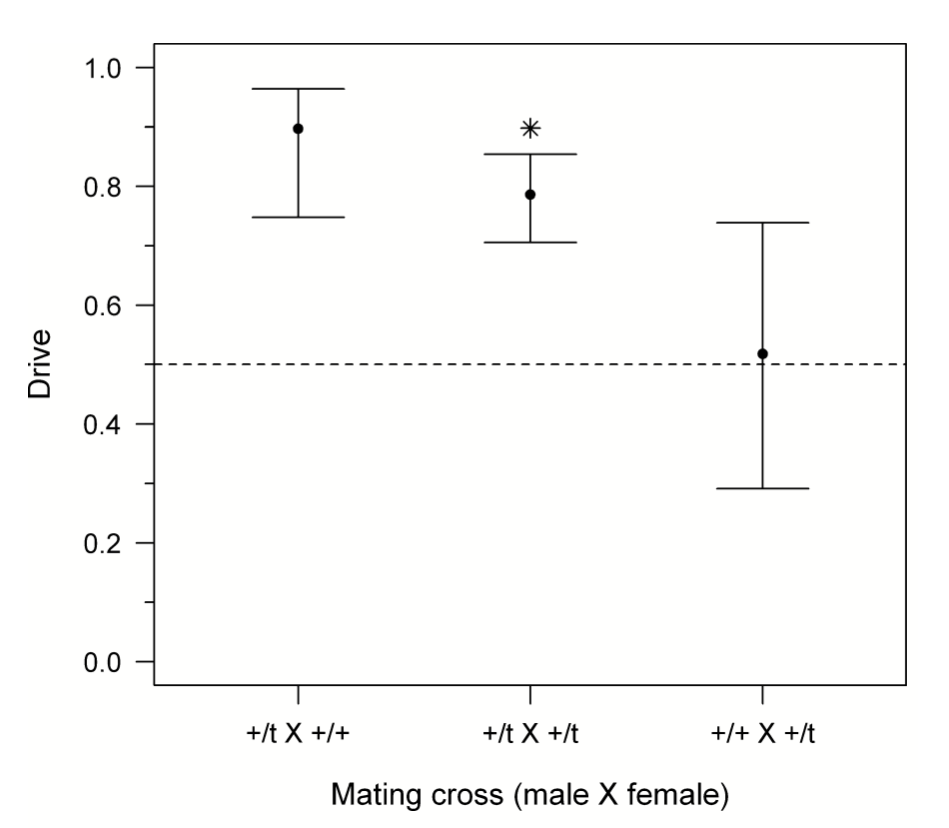
- Meiotic drive: Several loci on the t haplotype manipulate sperm development in +/t heterozygote, which damages the swimming ability of sperm that carry the wildtype (+) allele. As a result, t sperm gets transmitted to 90% of offspring instead of the 50% expected by Mendelian inheritance.
- Fitness costs: Several versions of the t haplotype segregate in mouse populations, and they all impose severe fitness costs on their carriers. While some t haplotype versions carry recessive lethal mutations, such that t/t homozygotes die during embryo development, others cause sterility in t/t homozygote males.
The t haplotype is a heavy burden on the populations that harbour them. As a result of meiotic drive, we expect t haplotypes to persist or even propagate in mouse populations despite the severe fitness costs, which has fascinating implications for house mouse behaviour, physiology, genetics, ecology and evolution. In our research group, we study the implications of the t haplotype using laboratory experiments, data from a free-living population, genetic and genomic analyses, and theoretical modelling. Here are a list of some of our key findings.
Meiotic drive strength
- We estimated meiotic drive at 90% in controlled lab crosses (Lindholm et al. 2013)
- In our free-living population, drive strength was 91% (Manser et al. 2020)
Work by: Anna Lindholm, Andreas Sutter, Andrea Weidt, Kerstin Musolf, Andri Manser, Barbara König | Publications ➤
Meiotic drive and survival
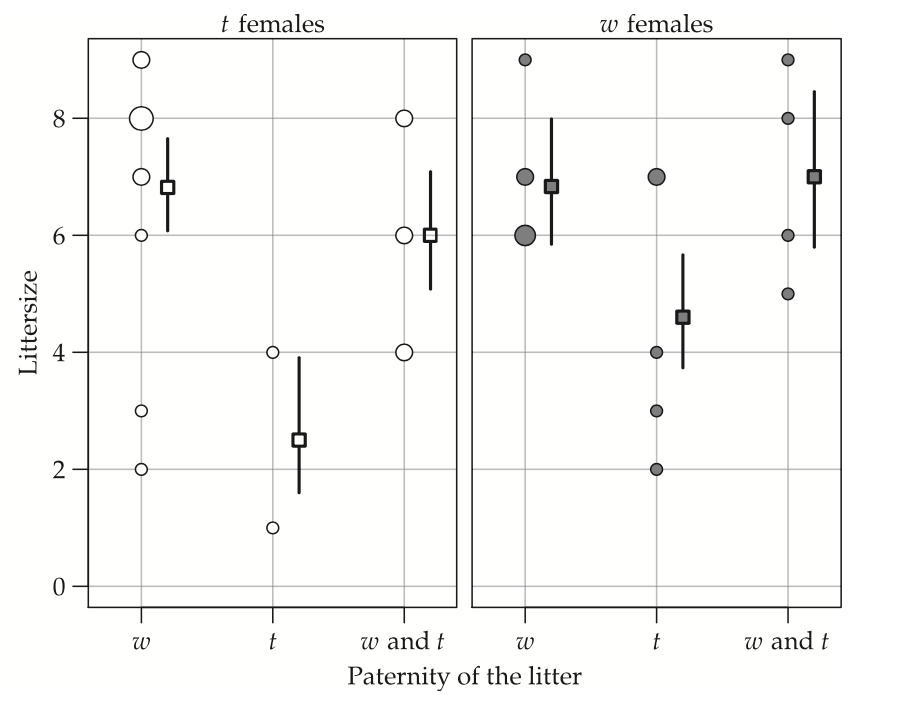
- t/t offspring die during embryo development (Lindholm et al. 2013)
- As a result, +/t females will see litter sizes nearly halved if they mate with a +/t males (Lindholm et al. 2013)
- Due to meiotic drive, we expect t haplotypes to persist in populations despite this lethal effect (Manser et al. 2011)
Work by: Anna Lindholm, Manuela Ferrari, Kerstin Musolf, Andrea Weidt, Andri Manser, Barbara König | Publications ➤
Meiotic drive frequency dynamics
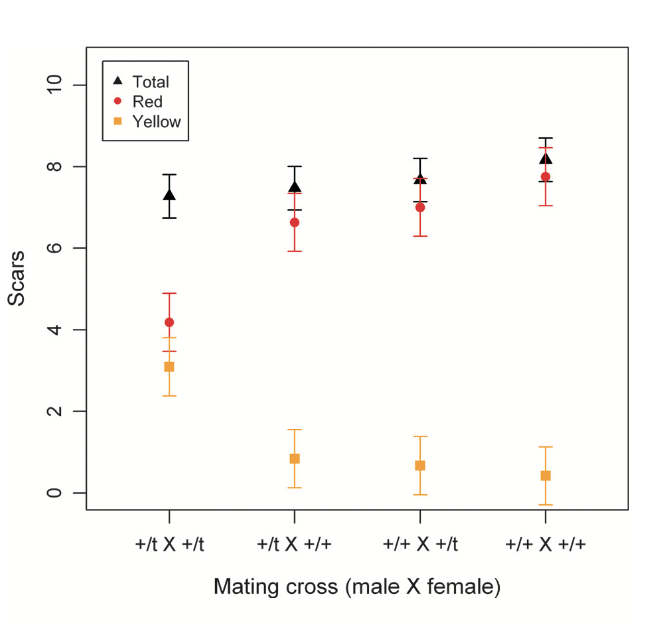
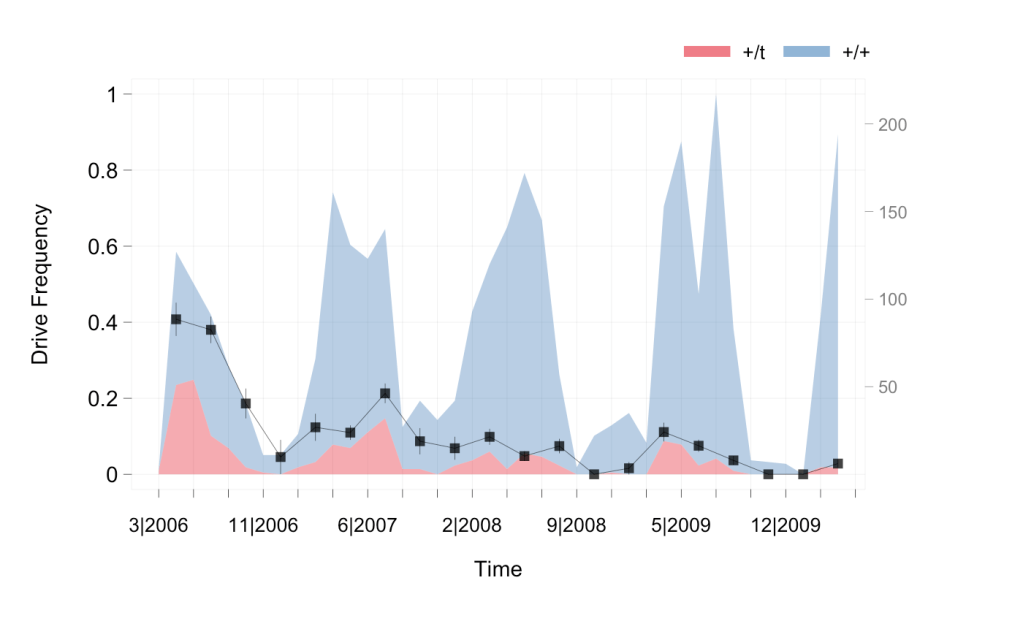
- During routine genetic analyses, we detected the t haplotype in our study population of free-living house mice.
- The t was present in relatively high frequency when the population was established in 2003 (Manser et al. 2011)
- It has been declining in frequency since and has gone extinct completely in 2011
- We believe that polyandry and sperm competition (see below) are the main forces behind the extinction (Manser et al. 2020)
Work by: Anna Lindholm, Homayoun Bagheri, Andri Manser, Barbara König | Publications ➤
Meiotic drive and sperm competition
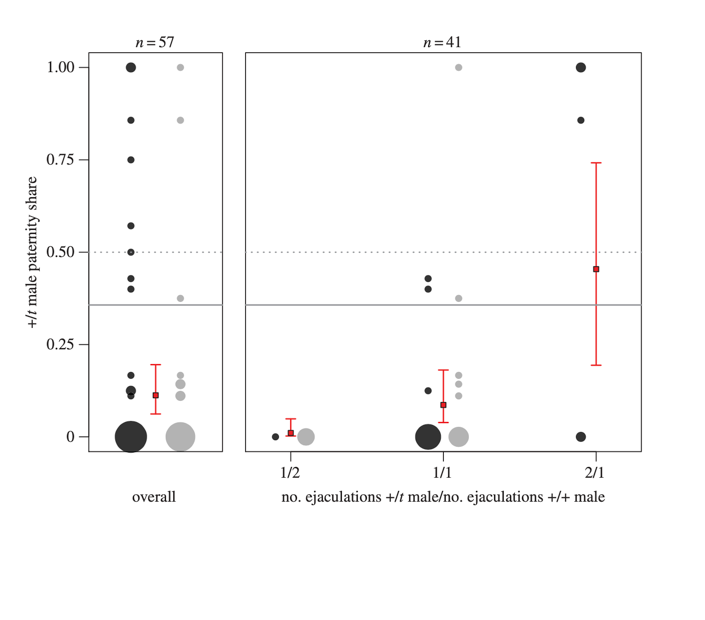
- +/t sperm have shorter tails and swim more slowly than +/+ sperm (Sutter et al. 2016, Winkler et al. 2022)
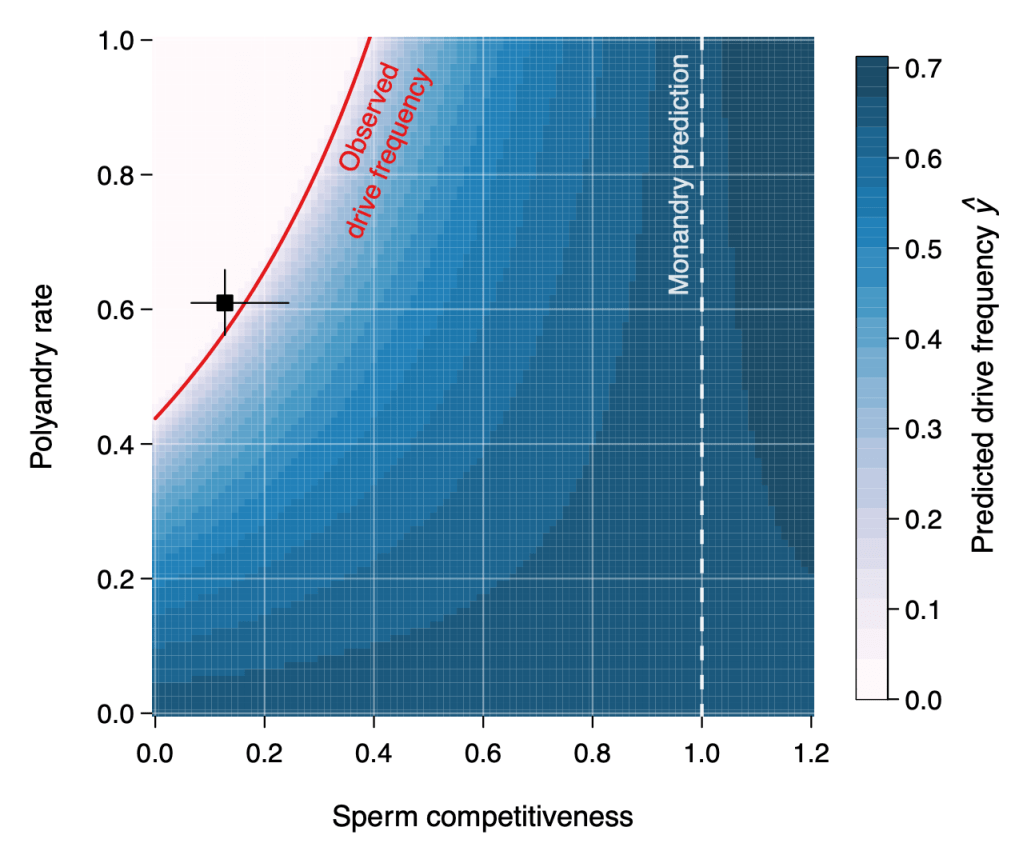
- +/t males have much lower paternity success than +/+ in polyandrous controlled crosses in the lab (Sutter et al. 2015) and in natural matings in our free-living population (Manser et al. 2020)
Work by: Andreas Sutter, Andri Manser, Leigh Simmons, Renee Firman, Barbara König, Anna Lindholm | Publications ➤
Meiotic drive and polyandry
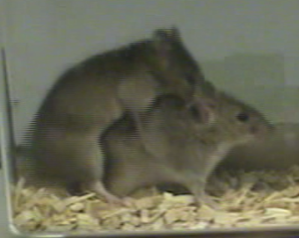
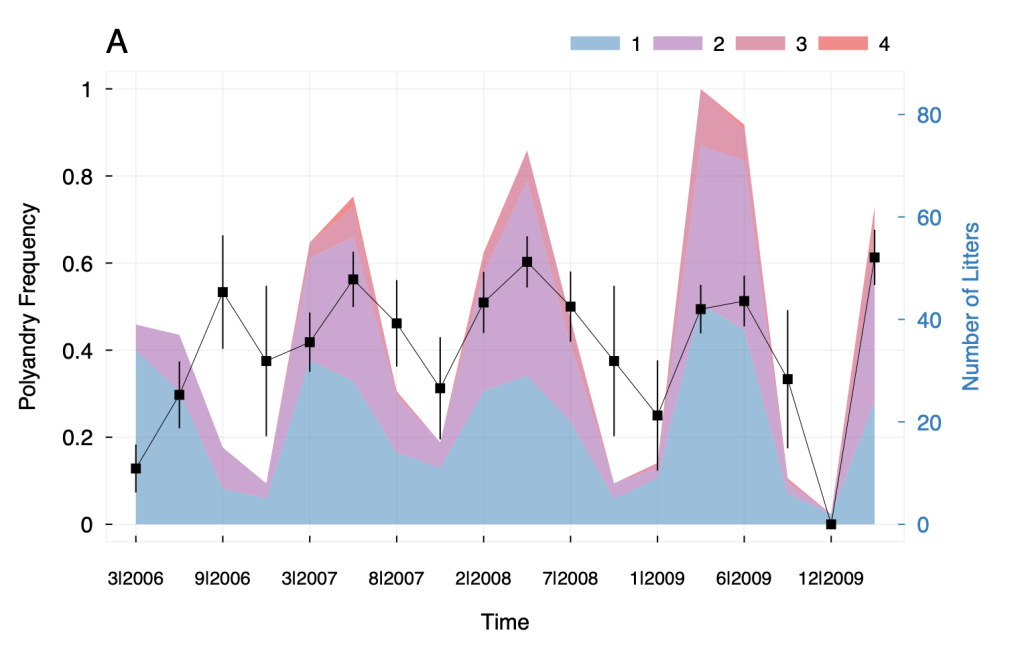
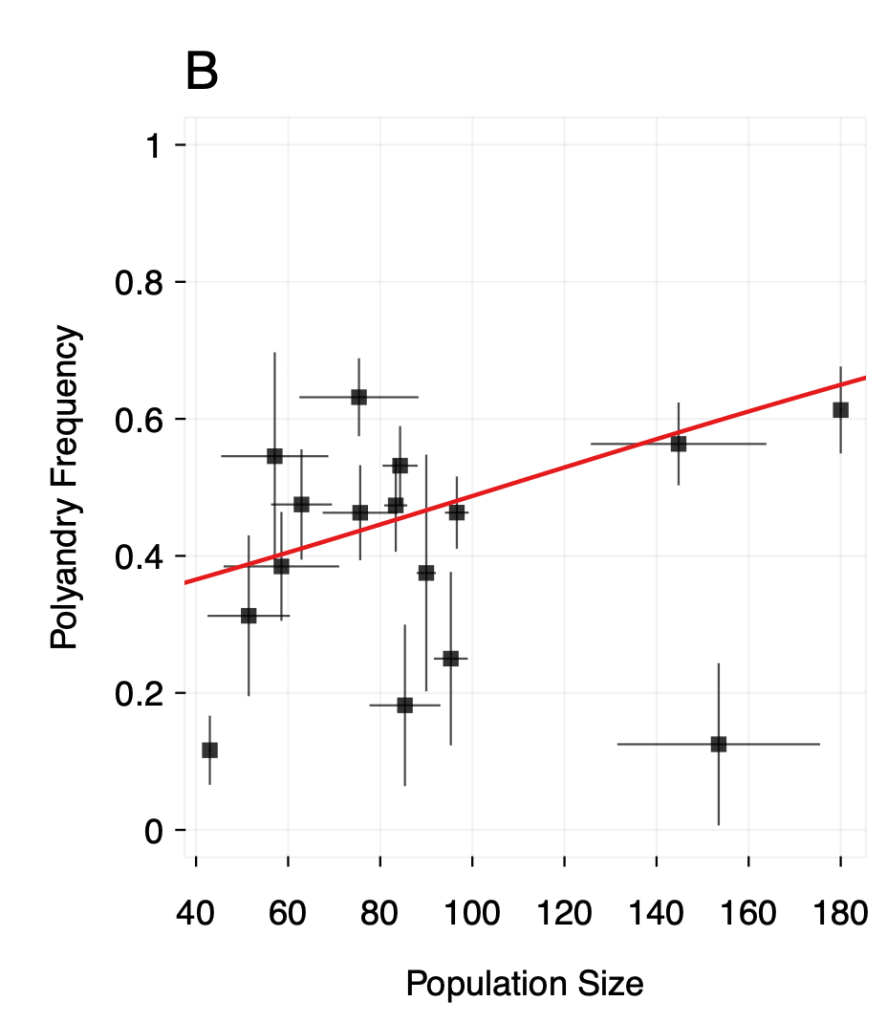
- 47% of litters in our free-living population have been sired by >1 male (Manser et al. 2020)
- this is an underestimate of polyandry (females mating with several males), as not every mating results in paternity (our best polyandry estimate: 61%)
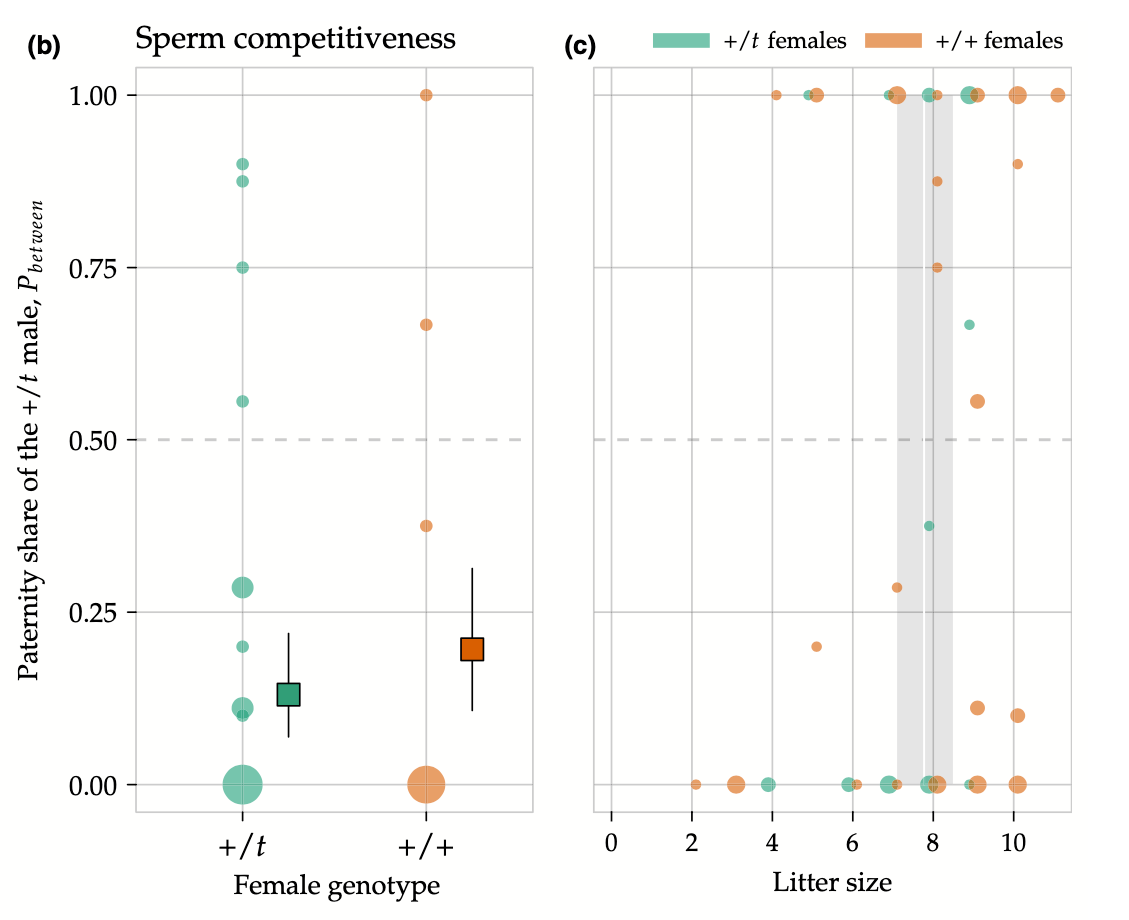
- +/t males have reduced reproductive success under polyandry compared to +/+ (Manser et al. 2020)
- Models show that polyandry alone can account for the extinction of +/t from our free-living population (Manser et al. 2020)
- Polyandry frequencies do not differ between +/t and +/+ females (Manser et al. 2020)
Work by: Andri Manser, Barbara König, Anna Lindholm | Publications ➤
Meiotic drive and dispersal
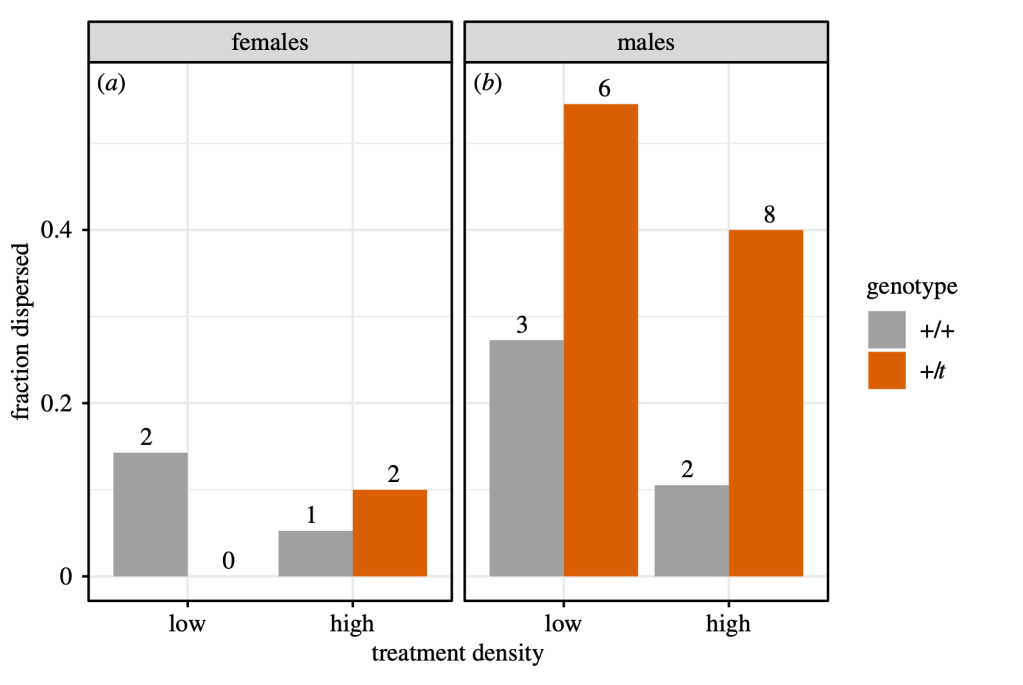
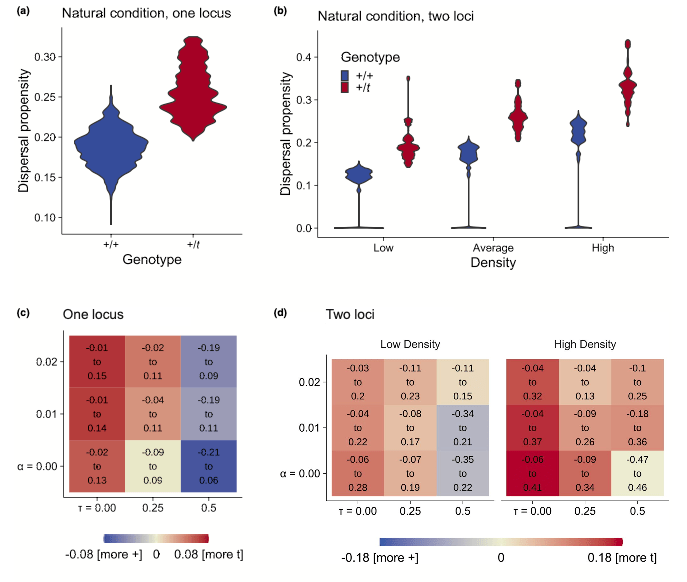
- We found that t haplotype carriers are more likely to disperse from their natal population, both in a free-living populations and in enclosures (Runge & Lindholm, 2018, Runge & Lindholm, 2021)
- t carriers are particularly likely to disperse if population densities are high
- We expect the t to increase the dispersal propensity of their carriers from a theoretical perspective (Runge et al. 2022)
Work by: Jan-Niklas Runge, Hanna Kokko, Aline Ullmann, Barbara König, Anna Lindholm | Publications ➤

Meiotic drive and mate choice
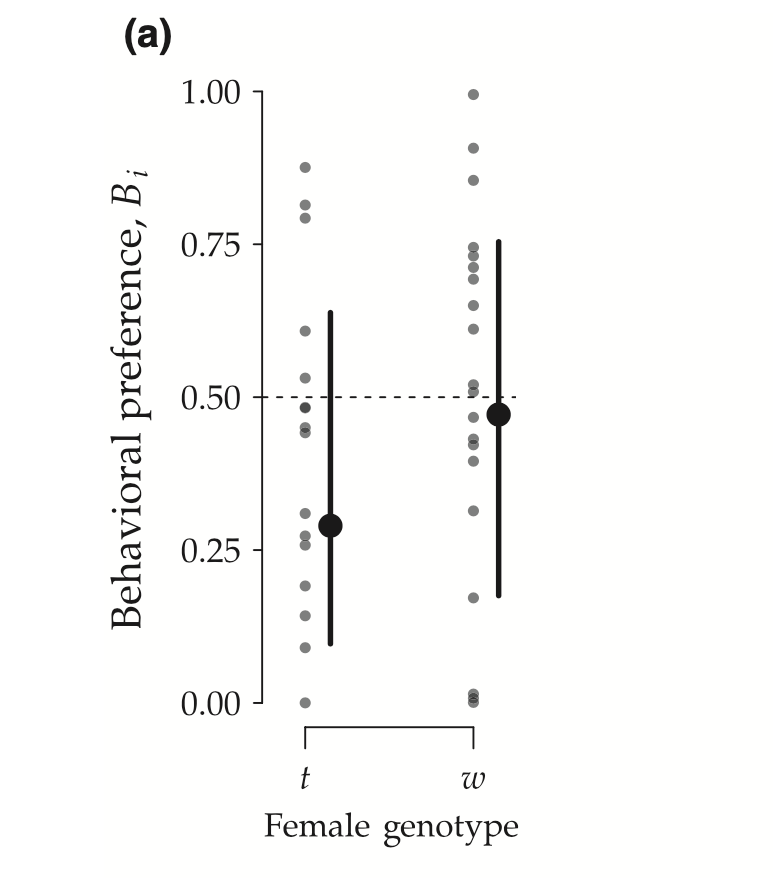
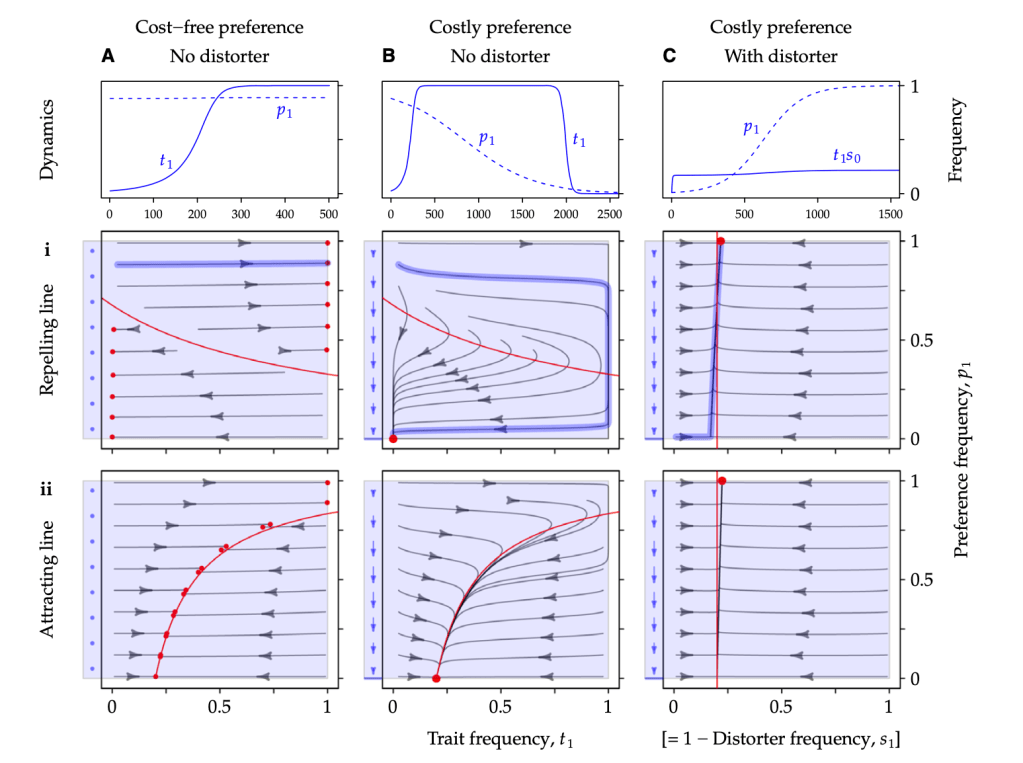
- Female mate preference against driver males can evolve (Manser et al. 2017)
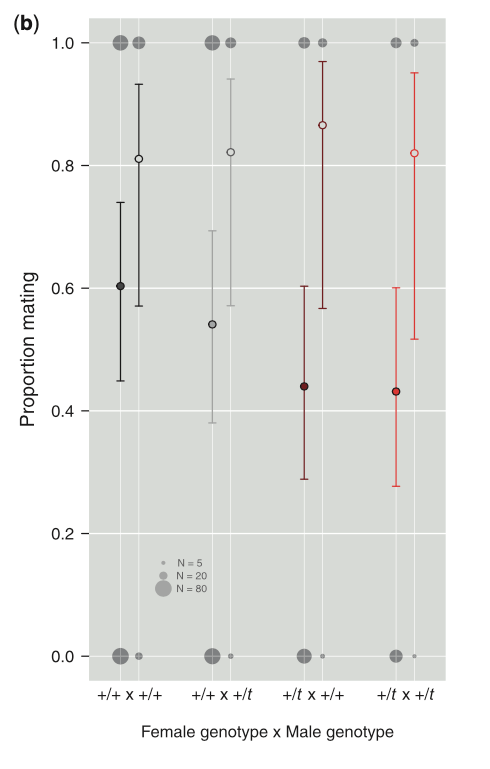
- In our free-living population, we found a deficit of +/t x +/t matings and proposed female avoidance of +/t males as a possible mechanism (Lindholm et al. 2013)
- subsequent controlled laboratory experiments found no evidence of female avoidance of +/t males (Sutter et al. 2016, Manser et al. 2017)
- subsequent studies indicated that +/t sperm competition disadvantage is so strong that it can explain reduced success of +/t males and thus the lack of +/t x +/t matings (Manser et al. 2020)
Work by: Andreas Sutter, Andri Manser, Barbara König, Anna Lindholm | Publications ➤
Meiotic drive and genome evolution
- t haplotype is enriched for antigen processing and presentation genes
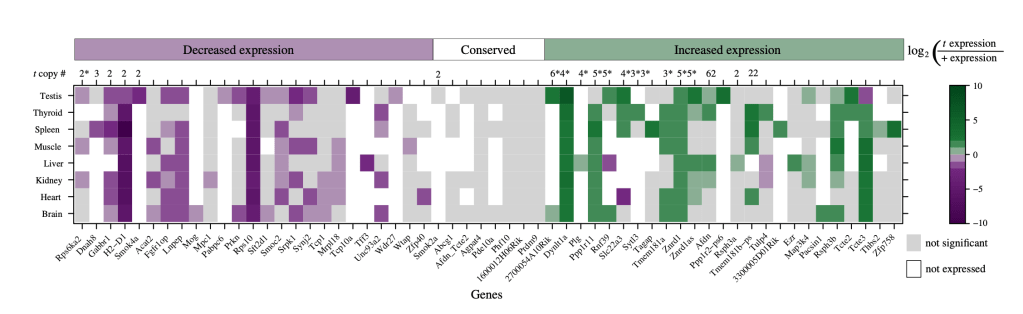
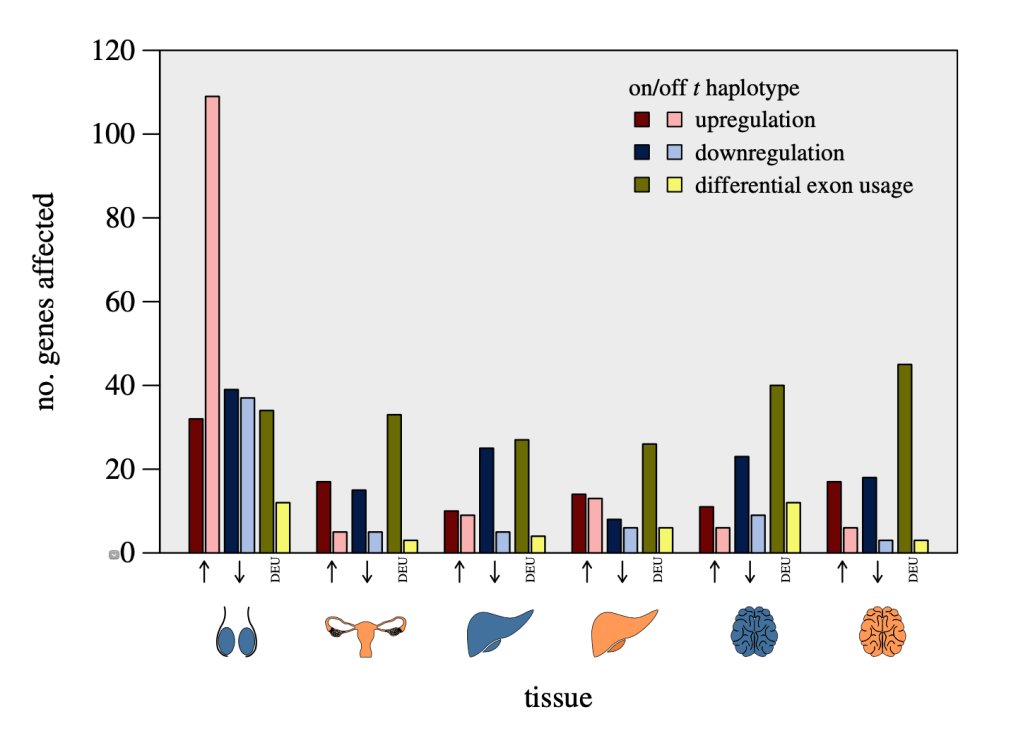
- Hundreds of genes differ in expression between +/t and +/+ siblings, mainly in testis tissue, and these were enriched for spermatogenesis genes
- 60% of expression differences in testes mapped to genes outside of the t haplotype, suggesting considerable effects of the t in trans
- Only 1 gene showed down-regulation in testes, ovaries, liver and brains consistent with expectations of degeneration of a non-recombining region
- 2 genes outside of the t haplotype were confirmed to have t-specific duplications, indicating gene duplication and recruitment to the t
Work by: Anna Lindholm, Hubert Rehrauer, Diethard Tautz, Sven Künzel, Reka Kelemen, Marwan Elkrewi, Beatriz Vicoso | Publications ➤

 Meiotic Drive in House Mice